Driveway Gravel in Michigan: The 3/4 Inch Course Your Tires Run On
Plan for winter ground movement beneath your Michigan drive: Driveway Gravel compacts into a durable crushed surface for routine vehicle access.
- Size: 3/4 inch
- Grading: Graded mix of stone sizes
- Type: Crushed stone
From $394 for 1 ton, delivery included (larger loads cost significantly less per ton)
Free delivery included
Free delivery anywhere in Michigan
Pick a delivery date
Weekday delivery, earliest Oct 30
“Decided on Michigan Rock Supply for driveway gravel, and ordering was easy from start to finish. Delivery showed up when expected, and the driveway looks great now.”
Kelly H. · Verified Buyer
Get a Free Quote
Fill out the form and our sales team will get back to you within the hour.
Size and Grading
- Size
- 3/4 inch
- Grading
- Graded mix of stone sizes
- Type
- Crushed stone
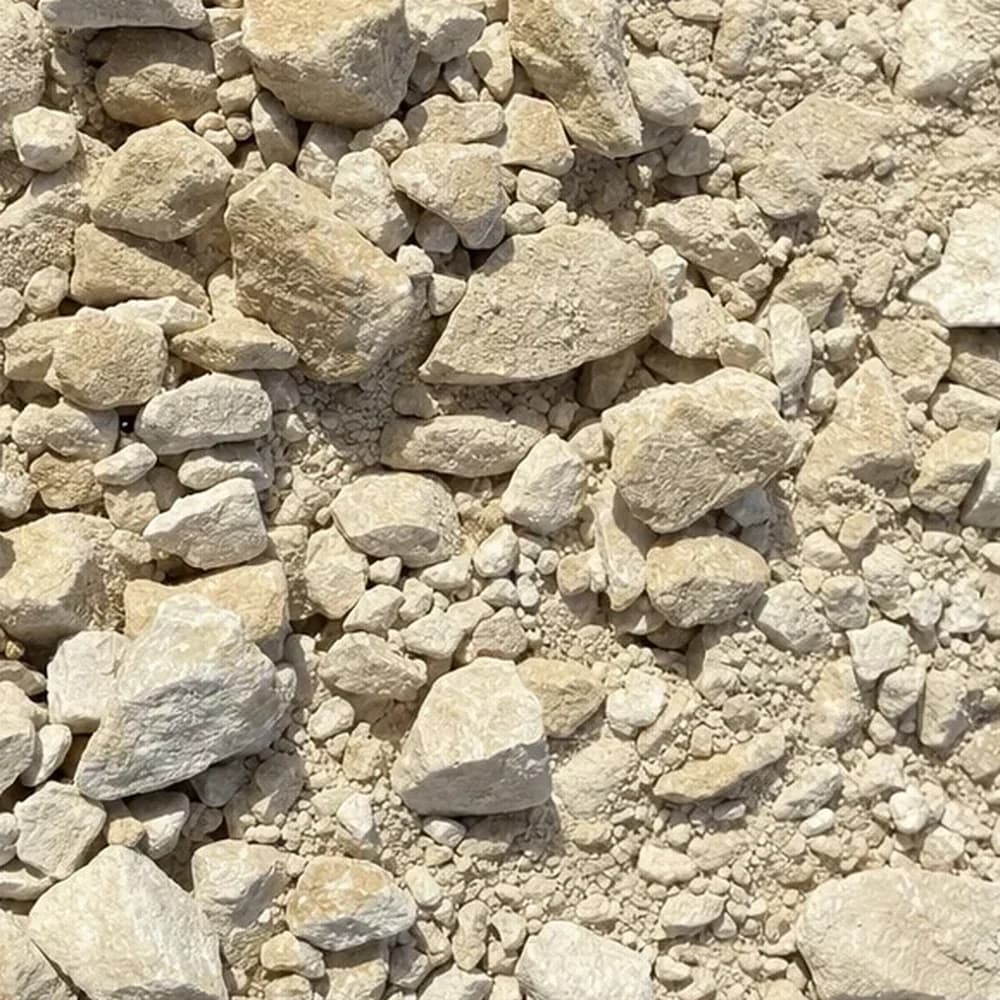
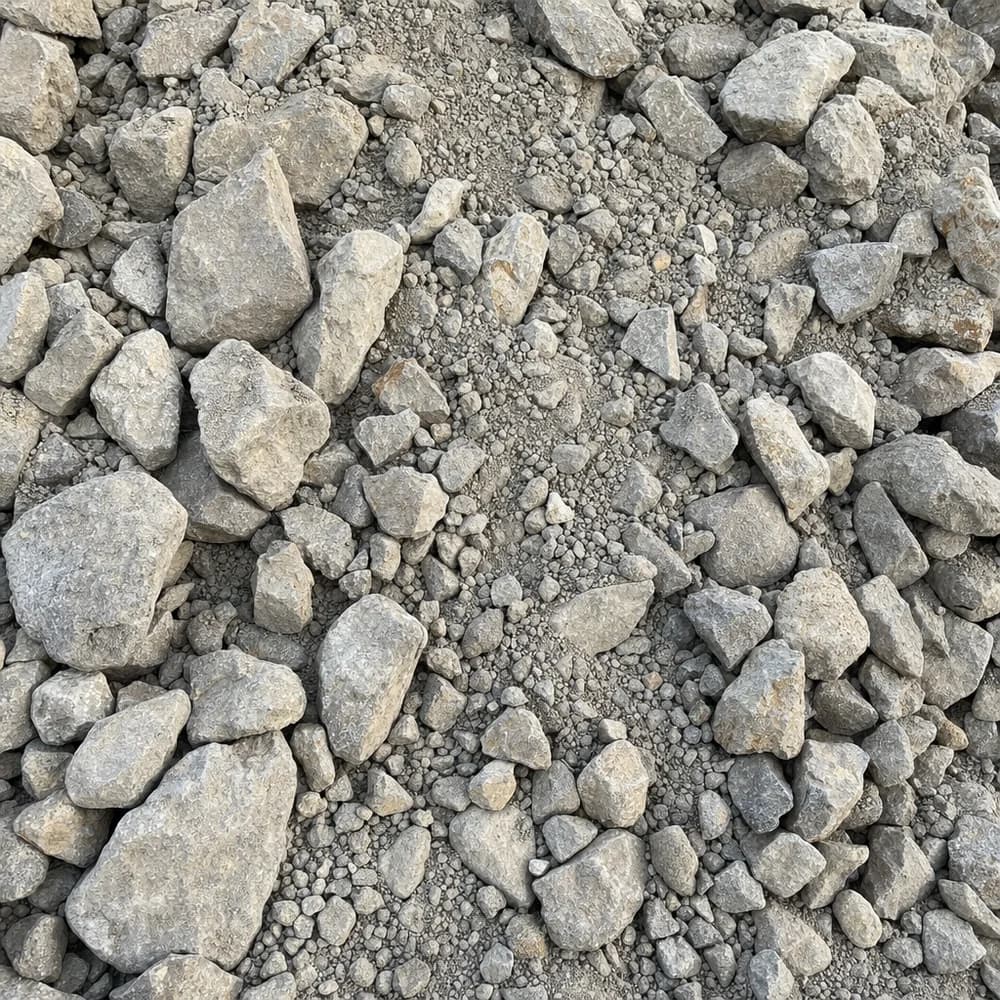
Tip three of the grays in this catalogue onto a lane in March and from ten feet away they look like the same pile. The difference only announces itself once the frost is out and the water underneath has nowhere to go. Driveway gravel is the graded crushed stone at three quarters of an inch that belongs on top, the course tires actually run on, and the mistake made most often here is buying it to do the structural job of the layer underneath it.
Is this the same thing as the 21AA in the next listing?
It is not, and the difference matters more in a state with a 42 inch frost depth than it would somewhere mild. 21AA limestone is the dense-graded base, crushed limestone carrying fines all the way through, named for the MDOT class that specifies it. It is what goes under a drive, a pole barn floor or a boat pad to carry weight. 22A road gravel is the other dense-graded class, a smaller top size, chosen where a hard-packing blend of stone, sand and fines is wanted on an unpaved road or a farm lane.
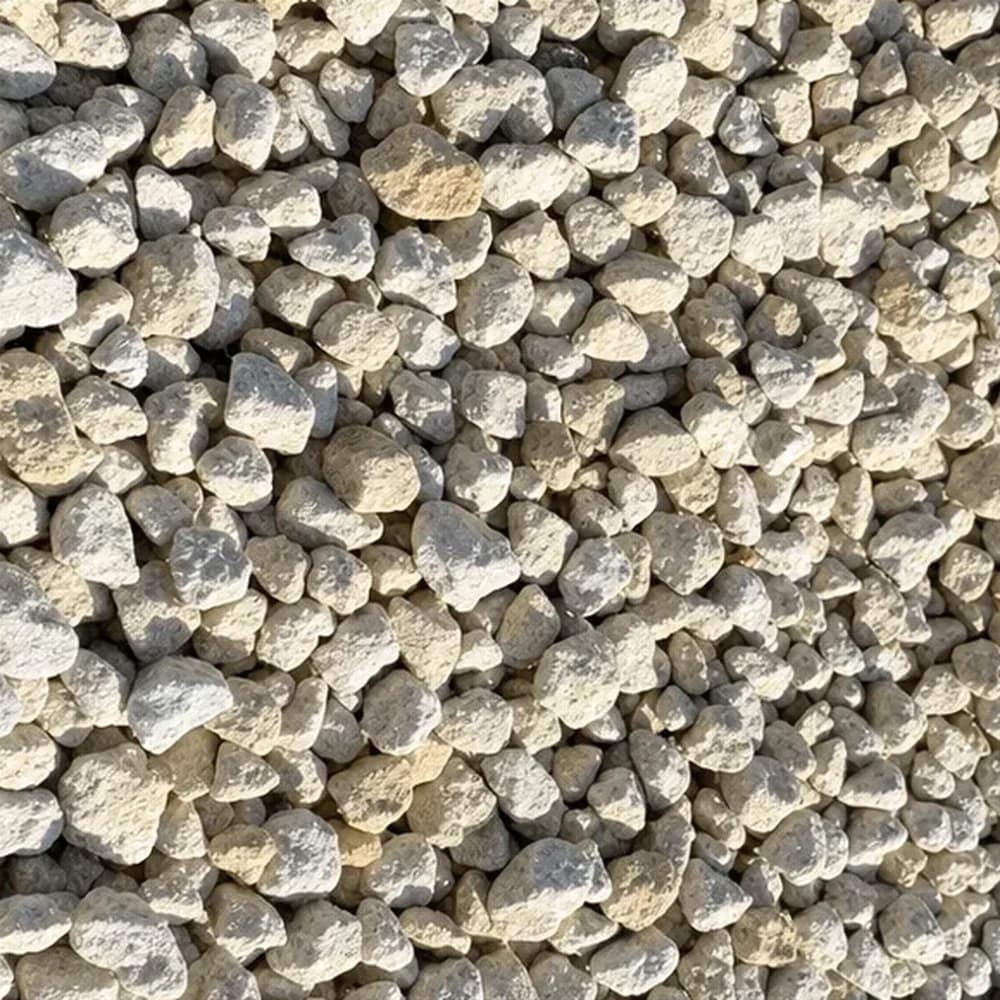
Driveway gravel sits above both of those. The spec is a graded mix of stone sizes at 3/4 inch, crushed rather than rounded, so the fractured faces catch on one another and the surface holds together under a turning wheel. There is enough range in the sizes for it to knit down under traffic, and enough gap between the pieces for rain to drop through rather than sheet off. Ordering it as a base course and skipping the dense-graded layer underneath is how a drive ends up with a wave in it two springs later.
How does it behave between the thaw and the first plow?
Badly, if what is under it is wrong. As frost leaves the ground the soil below is saturated and at its weakest, which is the window when thin surfacing sinks and ruts form in the wheel tracks. Across the flat southeastern lake plain and around Saginaw Bay, where clay holds meltwater for weeks, that softening lasts longest. On the sandy outwash of West Michigan and the northern counties, water leaves quickly and the trouble concentrates in the few spots where a pocket of till or muck sits under the lane.
The rest of the year is easier. A compacted 3/4 inch surface drives well through summer rain and takes a plow blade reasonably, though a blade set too low will scrape stone into the shoulder every winter, which is why re-topping is a recurring job rather than a one-off. Work on the drive itself runs from the thaw into late fall; frozen ground will not compact, and the season closes earlier in the Upper Peninsula and the northern Lower Peninsula than it does down south. Frost laws limiting heavy trucks on county roads through the thaw are worth knowing about when you are planning the timing of a bulk load.
Where does the low spot in the lane keep swallowing driveway gravel?
Almost always from underneath. A dip that reappears every year is usually a soft patch in the subgrade, or a place where water collects because the lane is flat or crowned the wrong way. Filling it with surface stone alone buys you one dry season. The regrade that lasts starts with digging out the soft material, replacing it with a compacted dense-graded layer, shaping the lane so water runs off sideways into the ditch line, and only then bringing the running course back to grade.
Two inches of fresh gravel over a firm, well-shaped base is a top-up. Two inches over mud is a donation.
Does it belong at the culvert crossing at the road end?
For the surface across the crossing, yes. The apron where the lane meets the road takes the sharpest turning loads on the whole property, and graded 3/4 inch stone over a proper base is the right material there.
For the ditch itself, no. Lining a ditch or armoring the outlet where the culvert discharges needs stone heavy enough to stay put when water moves through it, which is RipRap territory, or at the smaller end #4 Crushed Stone. Driveway gravel put in a live ditch line will be in the road after the second heavy melt.
Would it suit the rock garden bed by the cottage steps?
Not really, and for two reasons. Angular 3/4 inch crushed stone reads as a working surface rather than a finished one, and it is uncomfortable underfoot if anyone walks through the bed. A decorative bed, a dry creek line or a border wants rounded material: River Rock for the larger scale, Pea Stone where the bed is walked across. Keep the crushed stone for the parts of the property that carry vehicles.
Tons for an 18 by 10 low spot and a 14 by 22 crossing apron
Both of these are hypothetical layouts, not jobs anyone has built. Take the regraded low spot first, ten feet wide and eighteen feet along the lane, finished with three inches of surfacing.
- 18 x 10 = 180 square feet
- 3 inches is 0.25 feet, so 180 x 0.25 = 45 cubic feet
- 45 / 27 = 1.7 cubic yards
This site's published figure for driveway gravel is about 2,800 lb per cubic yard, which is 1.40 tons per yard, so 1.7 x 1.40 = 2.4 tons. Now the apron at the culvert crossing, fourteen feet wide and twenty-two feet long, at four inches.
- 14 x 22 = 308 square feet
- 4 inches is 0.333 feet, so 308 x 0.333 = 102.6 cubic feet
- 102.6 / 27 = 3.8 cubic yards, and 3.8 x 1.40 = 5.3 tons
That is 7.7 tons for the pair, before any allowance for what disappears into a soft patch. The gravel calculator will run the same arithmetic on up to five separate areas at once, takes circles as well as rectangles, works in inches of depth between a quarter inch and twenty-four, and offers a five percent addition for spreading loss.
When the number settles, set the quantity and the delivery date on this page. Delivery is worked out at checkout from your ZIP code, and the driver will need a clear approach and a firm spot to tip on, ideally within reach of the tractor bucket rather than at the far end of the lane.
Quickly Calculate How Much You Need
Material: Driveway Gravel
How to Measure
Measure the length and width of your project area in feet
Decide on depth in inches (2" for landscaping, 4" for driveways)
Enter the values above and we'll calculate the tonnage you need
Need help figuring out the right amount? We can help!
Call or text us at (313) 930-8646 and we'll help you calculate the right quantity for your project.
Not sure how much you need? The Gravel Calculator has depth guides, coverage charts and worked examples for this material.
Frequently Asked Questions About Driveway Gravel
Customer Reviews
Decided on Michigan Rock Supply for driveway gravel, and ordering was easy from start to finish. Delivery showed up when expected, and the driveway looks great now.
Kelly H. · Ann Arbor, MI · Verified Buyer
Went with these guys for driveway gravel and I'm really happy with how it turned out. Pricing was fair, free delivery was a nice bonus, and I'd definitely order from them again.
Susan K. · Flint, MI · Verified Buyer
Had them deliver driveway gravel, and it came exactly when expected. The driveway gravel was great quality, really happy with how it turned out.
Ryan P. · Grand Rapids, MI · Verified Buyer
Ordered driveway gravel from them and the free delivery made it super easy. It showed up when they said it would, and I'm really happy with how it looks on my driveway.
Hank C. · Lansing, MI · Verified Buyer
Grabbed driveway gravel from them and it was top notch. Delivery was smooth, and my driveway looks way better now.
Paul W. · Warren, MI · Verified Buyer
Driveway Gravel has 5 verified customer reviews with an average rating of 5 out of 5.
Driveway Gravel delivery across Michigan
- Detroit
- Grand Rapids
- Warren
- Sterling Heights
- Ann Arbor
- Lansing
- Dearborn
- Clinton Township
- Canton
- Macomb
- Livonia
- Troy