RipRap in Michigan: Heavy Stone for Shoreline, Bank and Culvert Work
Michigan's deep frost and lakefront runoff call for heavy protection at exposed water paths. RipRap helps shield soil from moving water.
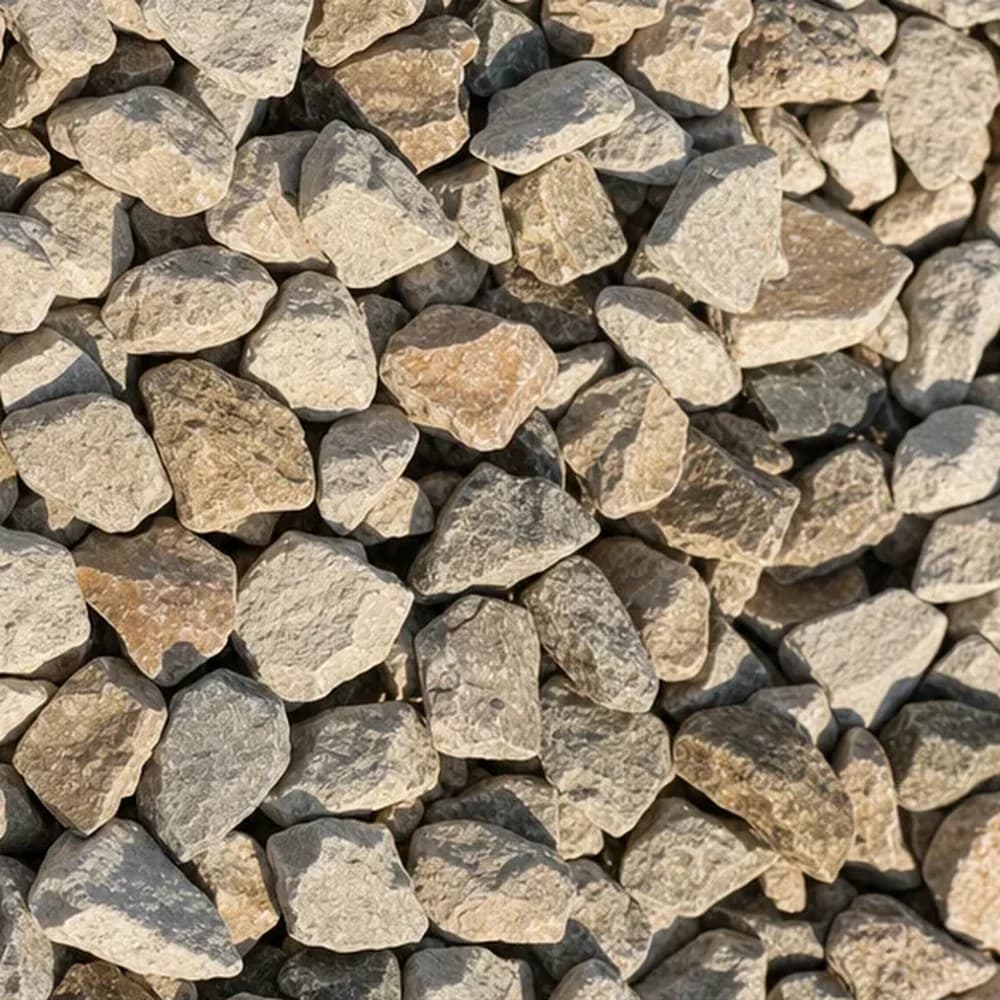
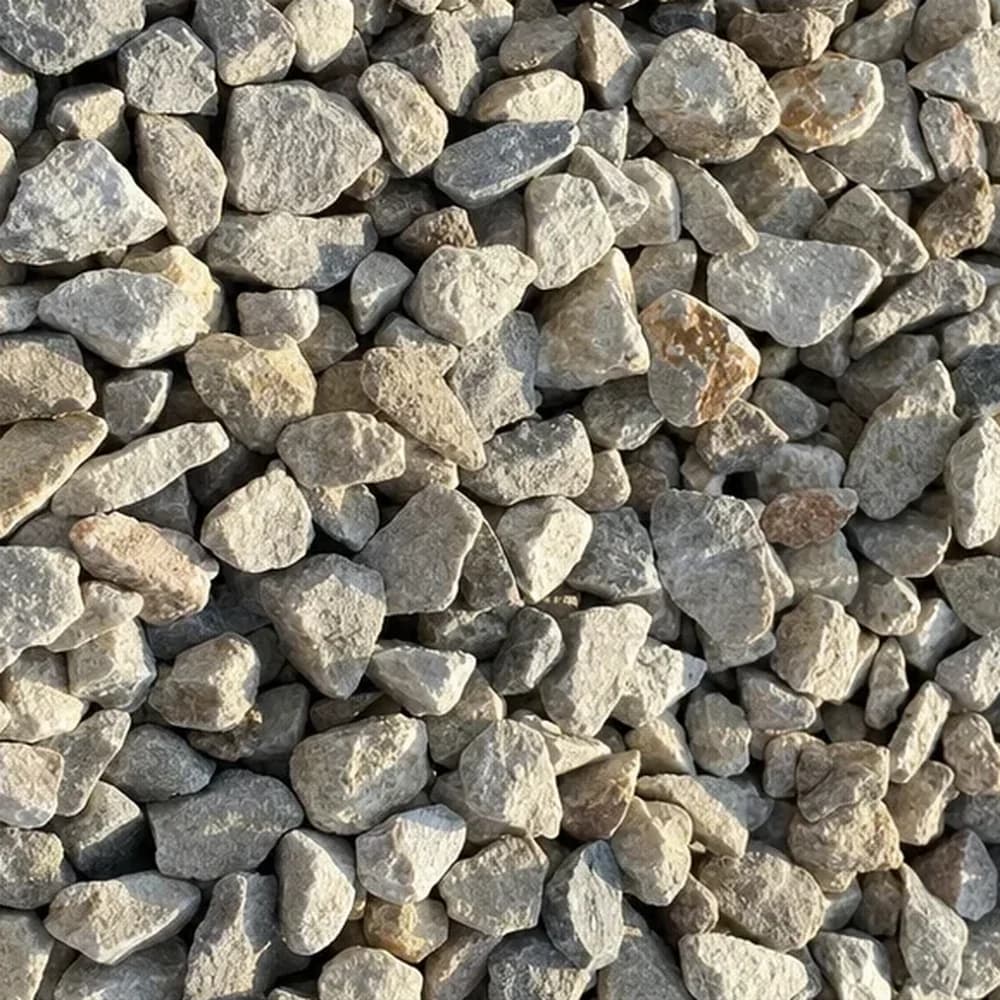
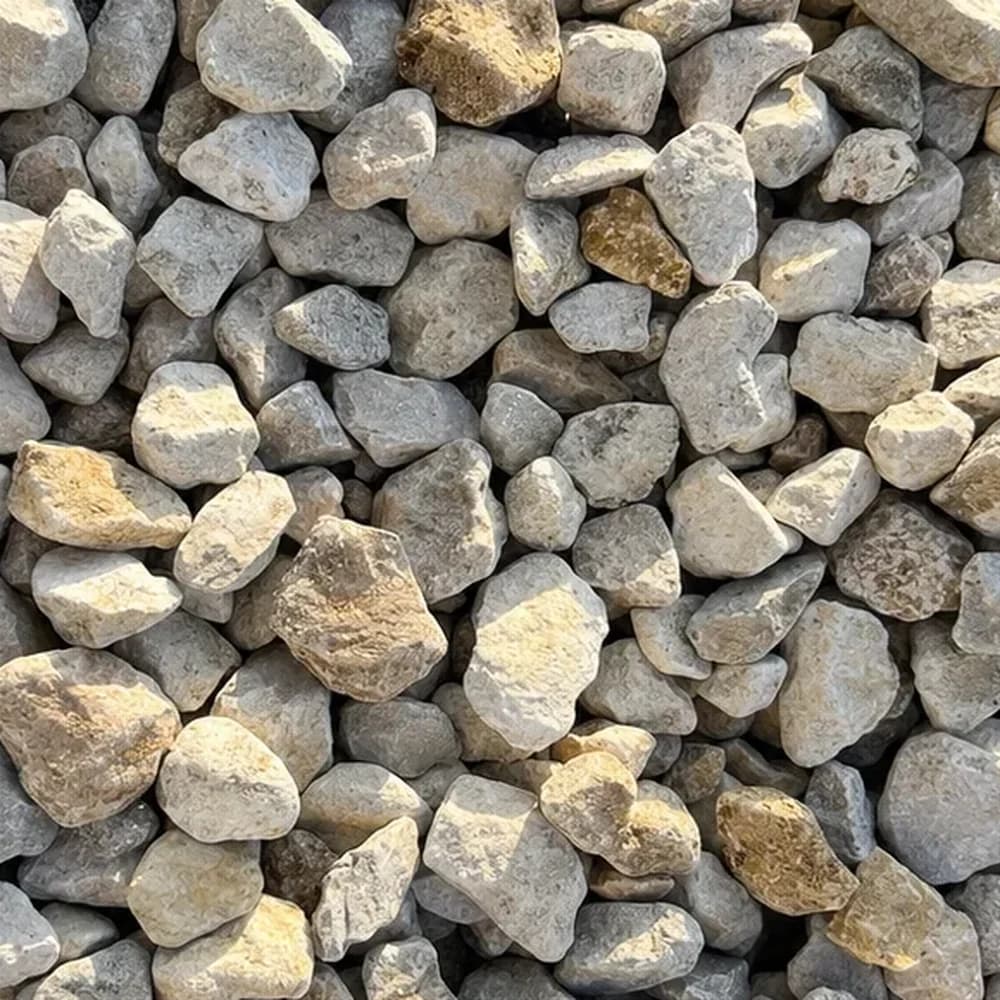
- Size: 4 inches to 12 inches and up
- Type: Large, heavy stone
From $428 for 1 ton, delivery included (larger loads cost significantly less per ton)
Free delivery included
Free delivery anywhere in Michigan
Pick a delivery date
Weekday delivery, earliest Oct 30
“Decided on riprap from Michigan Rock Supply and it showed up clean and consistent. The driver was friendly and really careful about where he placed it, which I appreciated.”
Doug I. · Verified Buyer
Get a Free Quote
Fill out the form and our sales team will get back to you within the hour.
Size and Grading
- Size
- 4 inches to 12 inches and up
- Type
- Large, heavy stone
The stone people usually mean to buy instead of riprap is Large River Rock, and the mix-up costs money every spring. Both arrive as big stone. Only one is angular, fractured and running from four inches to twelve inches and up, sized so that a wave, a spring flood or a sheet of shore ice cannot pick it up and move it. River cobble is smooth and rounded, which is precisely what makes it roll. Put cobble on a bank that takes real water and you will be re-laying it after the next high-water event.
The bank work this stone is actually bought for
Michigan has more exposed water edge than almost anywhere, and it moves. Roughly 250 miles of Great Lakes shoreline here are designated high risk erosion areas, worked on by high water, storm waves and winter ice. Inland, the pattern repeats at a smaller scale: streams and ditches on the flat lake plain rise fast after snowmelt and scour their banks, and on rocky western Upper Peninsula slopes the runoff comes down hard and fast.
Riprap answers four versions of that problem. It armors a lake, pond or stream edge so the water works on stone rather than soil. It holds a steep embankment where bare ground would slump. It takes the punch of flow leaving a culvert or a pipe outlet. And it lines a channel or spillway that would otherwise cut itself deeper every year.
How heavy stone holds when ice and the thaw work on a bank
Two Michigan forces test an installation, and they do it differently. Wave attack works from the water side and tries to pull stone out at the toe; if the toe goes, everything above it follows. Ice works from the surface, pushing and lifting as it expands and shifts, which is what strips lighter aggregate off a shoreline over a single winter. Then comes the thaw, when the soaked bank behind the stone is at its weakest and the water level is at its highest.
Weight is the defense against all three, which is why the size range matters more than the quantity. Stone also needs somewhere to sit. On soft clay banks in the southeast or around the Bay, and on saturated stream banks anywhere, most installations put a filter layer of fabric or graded stone under the riprap so the bank material cannot wash out through the gaps.
Setting the first course at the culvert outlet and working outward
Start where the force lands. At a culvert or pipe outlet, that means the ground immediately below the pipe and the stretch the flow strikes first, then carry the stone along the path the water takes from there. On a bank, start at the toe and build up, so each stone above is resting on stone rather than on soil.
Timing is a Michigan constraint rather than an afterthought. Frozen ground and shore ice stop placement, so the season runs from the thaw into fall and is shorter in the Upper Peninsula and the northern Lower Peninsula. Frost laws limit heavy trucks on many state highways and county roads through the thaw. And before any work at a lakefront, a stream bank or a designated high risk erosion area, check what permits your local authority requires, because shoreline work is regulated and this page cannot advise on it.
Dry creek beds, fire pit rings and pole barn pads: three jobs that want something smaller
A dry creek bed. Riprap can line the deepest part of a creek bed that genuinely carries storm flow, but the decorative version most people picture is Large River Rock or River Rock, which looks right and is far easier to place by hand.
A fire pit surround. Four to twelve inch angular stone is miserable to walk on and awkward to set chairs on. A crushed walkable stone or pea stone is the material for the ring, with the riprap kept for the drainage end of the property.
A pole barn or equipment pad. A pad needs to compact and hold a flat surface. Riprap cannot do either. That is 21AA limestone or 22A road gravel territory, and the only place riprap belongs near a pole barn is at the outlet where the roof water is discharging.
Sizing a 45 foot dry creek line and a 60 foot bank face
Take a dry creek channel first, 45 feet long, averaging 3 feet wide, with stone laid one foot deep.
- 45 x 3 = 135 square feet
- 12 inches is 1 foot, so 135 x 1 = 135 cubic feet
- 135 / 27 = 5.0 cubic yards
Now a bank face, 60 feet long, with 8 feet of slope measured up the face, at 18 inches.
- 60 x 8 = 480 square feet
- 18 inches is 1.5 feet, so 480 x 1.5 = 720 cubic feet
- 720 / 27 = 26.7 cubic yards
Both are illustrations rather than real projects, and both measure the slope face rather than its flat footprint, because a slope covers more area than the ground under it. This site publishes about 3,100 lb per cubic yard for rip rap and armor stone, or 1.55 tons per yard, so as approximate figures the creek line is 5.0 x 1.55 = 7.8 tons and the bank face 26.7 x 1.55 = 41.4 tons. The rip rap calculator runs the same conversion, and it works in rectangles or circles, handles up to five areas in one pass, accepts depth in inches and offers a five percent addition for the stone that beds down into a soft toe.
With a figure in hand, pick a date and a tonnage on this page, or send the measurements over and talk them through first.
Quickly Calculate How Much You Need
Material: RipRap
How to Measure
Measure the length and width of your project area in feet
Decide on depth in inches (2" for landscaping, 4" for driveways)
Enter the values above and we'll calculate the tonnage you need
Need help figuring out the right amount? We can help!
Call or text us at (313) 930-8646 and we'll help you calculate the right quantity for your project.
Not sure how much you need? The Rip Rap Calculator has depth guides, coverage charts and worked examples for this material.
Frequently Asked Questions About RipRap
Customer Reviews
Went with the team for riprap, ordering was easy and delivery arrived right on schedule.
Michelle J. · Ann Arbor, MI · Verified Buyer
Went with them for riprap and the delivery showed up as planned, which made the whole thing easy.
Paul E. · Grand Rapids, MI · Verified Buyer
Decided on riprap from Michigan Rock Supply and it showed up clean and consistent. The driver was friendly and really careful about where he placed it, which I appreciated.
Doug I. · Ann Arbor, MI · Verified Buyer
Ordered riprap from this company and it was exactly what I needed. The driver was friendly and careful about where he placed it, which saved me a ton of hassle. Really happy with the whole thing and would definitely order again.
Ryan C. · Ann Arbor, MI · Verified Buyer
Needed riprap for a drainage spot and this company made it really easy. They kept me updated the whole time and the delivery showed up when they said it would. Super happy with how it turned out and I'd definitely order from them again.
Kim N. · Ann Arbor, MI · Verified Buyer
Held the slope in place
I placed these along a small slope that had been washing out. The stones are substantial and stayed where I set them. It made the work at my Detroit, MI property much more straightforward.
Logan H. · Ann Arbor, MI · Verified Buyer
RipRap has 6 verified customer reviews with an average rating of 4.8 out of 5.