22A Road Gravel: Michigan's Hard-Packing Base and Drive Stone
Also sold as Crusher Run
Also known as: 22A
22A Road Gravel compacts into a firm Michigan base for driveways and pole-barn pads exposed to repeated winter movement.
- Size: 3/4 inch minus
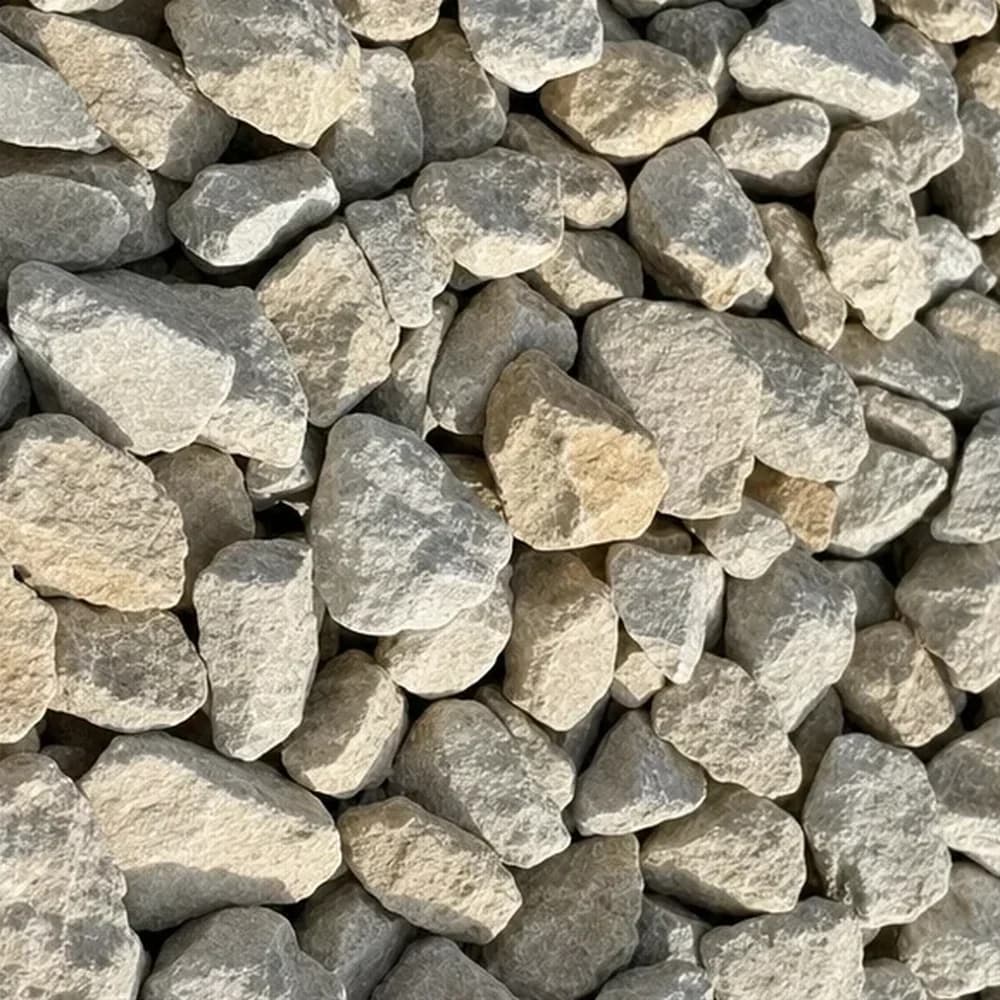
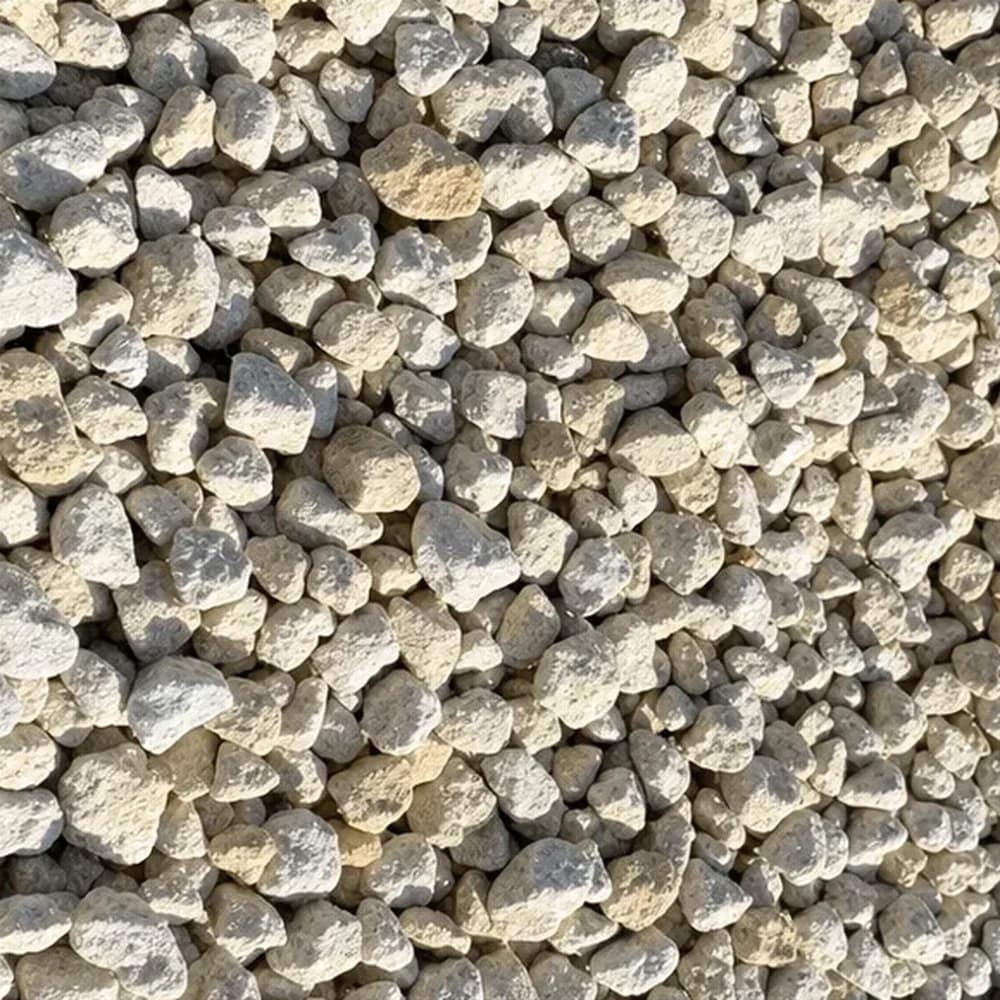
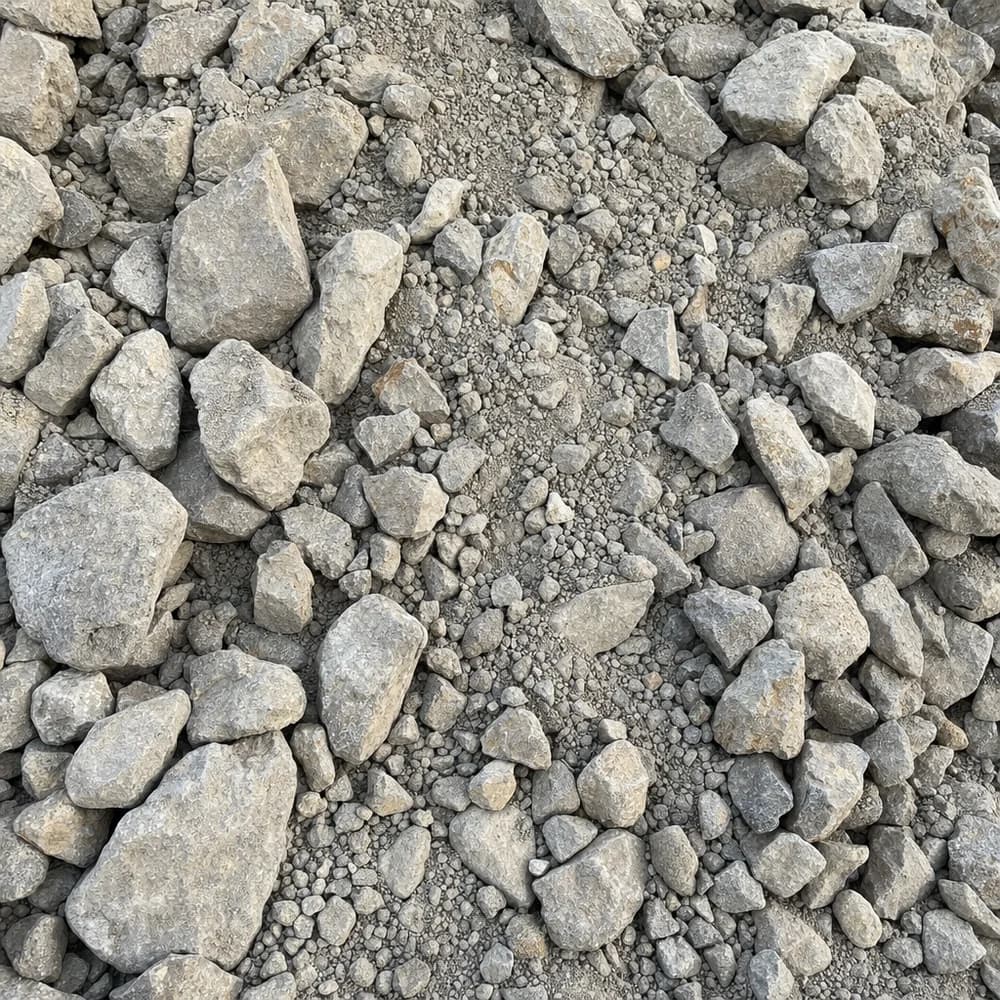
- Grading: Crushed stone blended with stone dust and fine particles
- Type: Angular crushed stone
From $387 for 1 ton, delivery included (larger loads cost significantly less per ton)
Free delivery included
Free delivery anywhere in Michigan
Pick a delivery date
Weekday delivery, earliest Oct 30
“Grabbed 22A Road Gravel from this company and the delivery showed up as planned. Really happy with how easy it was, especially with the free delivery.”
Pat S. · Verified Buyer
Get a Free Quote
Fill out the form and our sales team will get back to you within the hour.
Size and Grading
- Size
- 3/4 inch minus
- Grading
- Crushed stone blended with stone dust and fine particles
- Type
- Angular crushed stone
Tip a yard of 22A road gravel onto a cottage drive in May and the first thing you notice is the dust coming off it. There is stone in there, angular pieces up to three quarters of an inch, but there is also a good measure of gray powder and grit clinging to them. Squeeze a handful damp and it holds its shape. That gray stuff is stone dust and fine particles, it is deliberate, and it is the difference between a pile of rock that shifts under a tire and a layer that goes hard enough to plow over in January.
The soft spot 22A is bought to fix
The problem shows up in the same place every year. Frost drives down to 42 inches under the Michigan Residential Code, water sits in the soil through the winter, and when the thaw arrives that soil has no strength left in it. A drive built on loose stone sinks into it. Ruts open along the wheel lines, the low corner by the shed turns to soup, and by the time the ground firms up in June the surface is ruined.
22A answers that by behaving less like gravel and more like a slab. Lightly wetted and compacted, the fines pack into every gap between the crushed pieces and the layer interlocks. Weight then spreads sideways through the layer instead of punching down into one spot. That is why it goes under pole barn pads, shed floors, hot tub pads and paver patios, and why it is the material for an unpaved drive or a private road surface.
It is worth being precise about the name. 22A is an MDOT Section 902 dense-graded class with a smaller top size than 21AA, and when a contractor or a township road commission says 22A, that class is what they mean. It is how material is specified here rather than a certification the storefront holds. If you want the larger-topped base, that is 21AA limestone, and the two are not interchangeable.
How it sits on Thumb clay against West Michigan sand
Ground changes the job more than anything else on this page. On the flat lake plain clay of the southeast, around Saginaw Bay and across the Thumb, the trouble is water with nowhere to go. Compacted 22A sheds water well, so the layer performs, but the clay beneath it stays soaked and soft through the thaw. That argues for a thicker layer, a shaped subgrade that drains toward a ditch, and patience about when you compact.
On the sandy outwash and dune sand of the western and northern counties, the subgrade drains in hours. The problem there is the opposite: loose sand gives the fines nothing to key into, and the edges of a drive sink away where they meet bare sand. A firm edge matters more than extra depth.
Laying a hot tub pad between the thaw and the first hard freeze
The season sets the schedule. Compaction needs unfrozen ground, so the window runs from the spring thaw into late fall, and it is noticeably shorter in the Upper Peninsula and the northern Lower Peninsula than it is south of the Bay Region. Frost laws also limit heavy trucks on many state highways and county roads through the thaw, so a very early spring load may need a different date.
For a hot tub pad, strip the sod and any soft organic material, then shape the ground so it falls away from the tub rather than toward it. Put the 22A down in layers rather than one deep heap. Wet each layer lightly, then run a plate compactor over it in overlapping passes, turning the plate ninety degrees for the last pass. A pad that rings hard under a boot heel is ready; one that still gives underfoot is not.
A garden path works the same way at a smaller scale, and a rebuilt lawn access track wants the same treatment where the machinery churned it. In that case the 22A goes in to rebuild the track, and the screened topsoil only goes down once the track has been taken back out.
What a 22A surface asks of you the first spring
Left exposed as a drive or a track, 22A dusts in a dry stretch and loses some fines at the low edge after a hard thunderstorm. The upkeep is small but it is real: drag the high material back into the wheel lines once a year, keep the crown so meltwater runs off, and top up the sections that see turning traffic. A path that will be walked in sandals is better topped with walkway gravel or pea stone, because 22A stays gray and gritty and tracks into the house.
Edges are where most of the loss happens. A path or pad on a slope wants an edge restraint, a timber, a steel edging or a run of larger stone, and a cross-fall so water leaves sideways rather than running the length of it.
Yardage for a 40 foot garden path and a 10 by 10 hot tub pad
Take the path first, three feet wide and forty feet long, at four inches compacted.
- 3 x 40 = 120 square feet
- 4 inches is 0.333 feet, so 120 x 0.333 = 40 cubic feet
- 40 / 27 = 1.5 cubic yards
Then the hot tub pad, ten feet square, at six inches.
- 10 x 10 = 100 square feet
- 6 inches is 0.5 feet, so 100 x 0.5 = 50 cubic feet
- 50 / 27 = 1.9 cubic yards
Both are illustrations rather than real jobs. This site publishes about 3,000 lb per cubic yard for crusher run and road base, or 1.50 tons per yard, so as approximate figures the path is 1.5 x 1.50 = 2.3 tons and the pad 1.9 x 1.50 = 2.9 tons. Check your own numbers against the 22A and crusher run calculator, which works in rectangles or circles, takes up to five areas at once, accepts depth in inches and adds ten percent by default for spread and settlement. When your number looks right, set a date and a tonnage here on the product page.
Quickly Calculate How Much You Need
Material: 22A Road Gravel
How to Measure
Measure the length and width of your project area in feet
Decide on depth in inches (2" for landscaping, 4" for driveways)
Enter the values above and we'll calculate the tonnage you need
Need help figuring out the right amount? We can help!
Call or text us at (313) 930-8646 and we'll help you calculate the right quantity for your project.
Not sure how much you need? The Crusher Run Calculator has depth guides, coverage charts and worked examples for this material.
Frequently Asked Questions About 22A Road Gravel
Customer Reviews
Grabbed 22A Road Gravel from this company and the delivery showed up as planned. Really happy with how easy it was, especially with the free delivery.
Pat S. · Ann Arbor, MI · Verified Buyer
Picked up 22A Road Gravel from them and it was an easy, no hassle stop. Pricing was fair and the material was good value for what I needed.
Chris G. · Warren, MI · Verified Buyer
Ordered 22A Road Gravel from them and it was totally painless. They kept me updated the whole time, and everything showed up just how I needed it.
Christine T. · Detroit, MI · Verified Buyer
Went with them for 22A Road Gravel and I'm really happy with it. The driver was friendly and careful about where he placed the load. The 22A Road Gravel was top notch and I'd order from them again.
Karen P. · Ann Arbor, MI · Verified Buyer
22A Road Gravel has 4 verified customer reviews with an average rating of 5 out of 5.
22A Road Gravel delivery across Michigan
- Detroit
- Grand Rapids
- Warren
- Sterling Heights
- Ann Arbor
- Lansing
- Dearborn
- Clinton Township
- Canton
- Macomb
- Livonia
- Troy