Drain Rock in Michigan: Washed Open Stone for Trenches and Wall Backfill
Before backfilling a Michigan wall or drainage trench, use Drain Rock to keep water moving during thaw and freeze-thaw conditions.
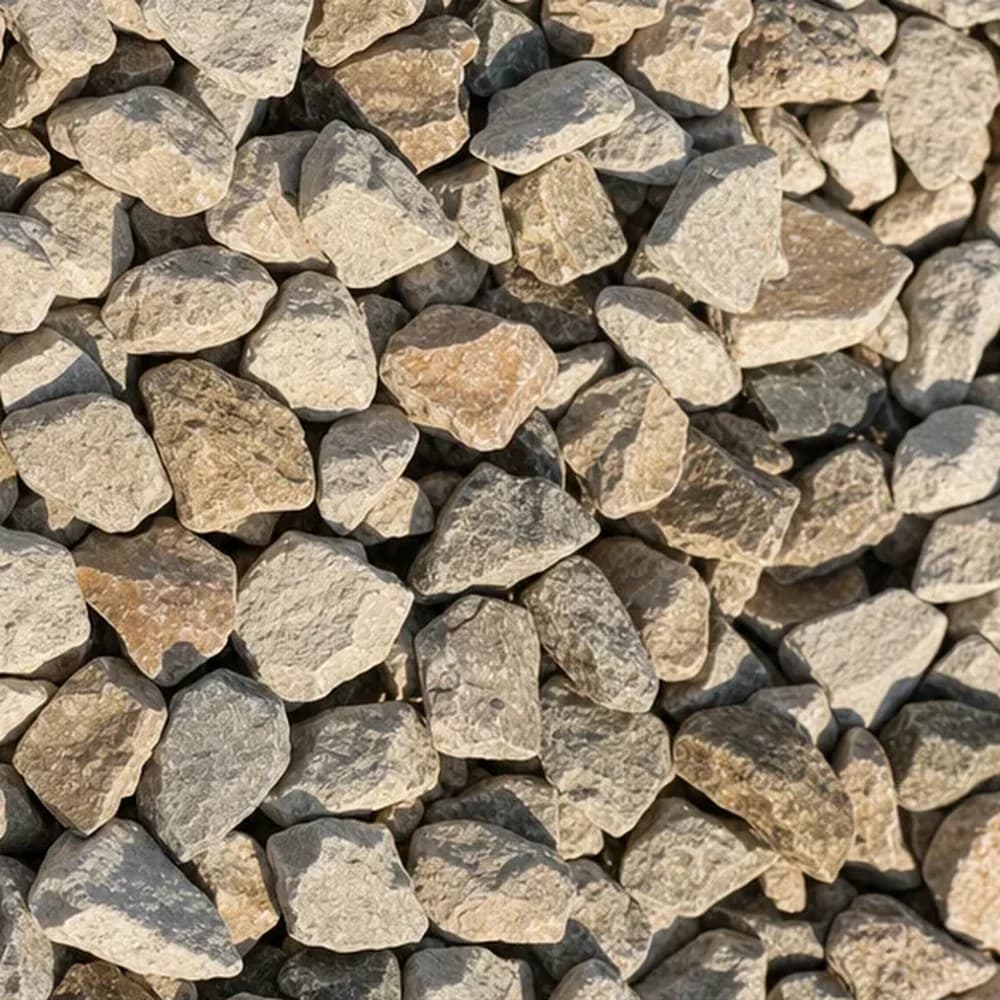
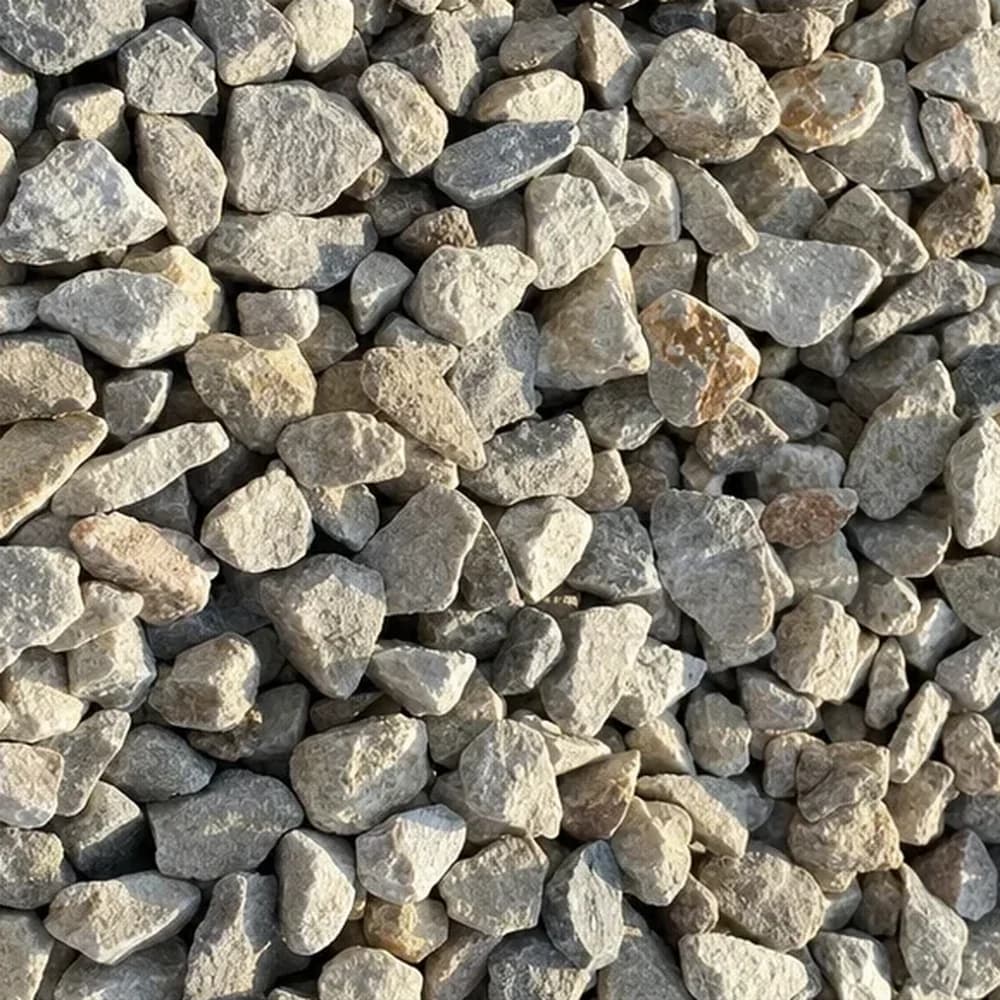
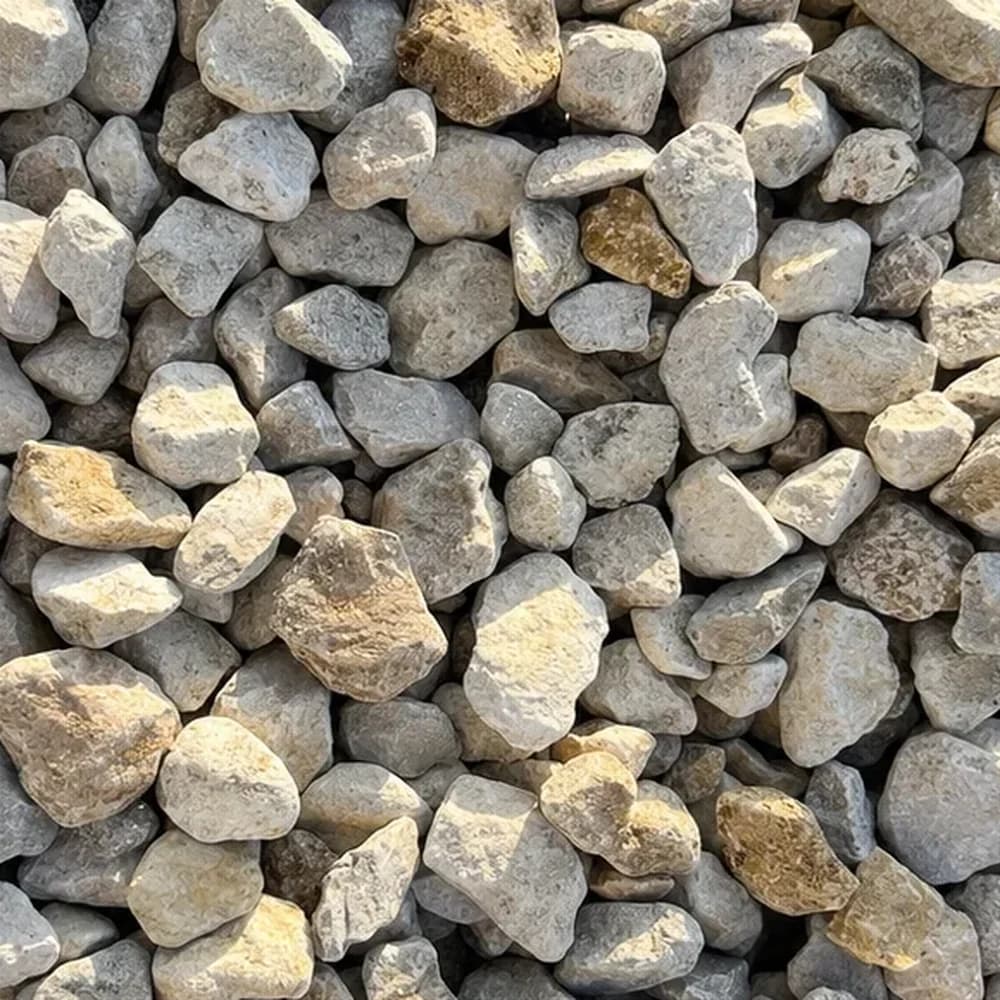
- Size: 3/4 inch to 1-1/2 inch
- Grading: Washed to remove fines and dust
- Type: Rounded or angular varieties
From $387 for 1 ton, delivery included (larger loads cost significantly less per ton)
Free delivery included
Free delivery anywhere in Michigan
Pick a delivery date
Weekday delivery, earliest Oct 30
“Got drain rock from this company and everything went really smooth. They delivered when they said they would, which I really appreciated. I'd definitely order again and recommend them.”
Megan D. · Verified Buyer
Get a Free Quote
Fill out the form and our sales team will get back to you within the hour.
Size and Grading
- Size
- 3/4 inch to 1-1/2 inch
- Grading
- Washed to remove fines and dust
- Type
- Rounded or angular varieties
Most orders for drain rock are placed in the two weeks when the frost lets go. Snow that has been stacked against the north side of the house for months turns into water all at once, the lake plain clay across the southeast and around Saginaw Bay cannot take it, and it finds the basement wall, the low corner of the yard or the crawl space. That is the week people decide to dig. The window to actually build the fix runs from that thaw through to the first hard freeze, and the material that makes the fix work is stone washed clean of fines at 3/4 inch to an inch and a half, in either rounded or angular form.
The perimeter drain that gets dug the first dry week after the thaw
The job this material is bought for more than any other is a drain that takes water away from a house. It might be a French drain across a slope above a walkout, a perimeter run against a foundation wall, or a line that collects two downspouts and carries them to daylight at the bottom of the yard. All of them are the same idea: a trench with a fall along it, a perforated line in the bottom, and a stone fill that water can enter far more easily than the surrounding soil.
Septic leach fields use it for the same reason, as the clean, uniformly sized layer that lets effluent soak away. That work is permitted and inspected under health department requirements, so take the specification from whoever signs it off.
Clay that holds water, sand that lets it through, and what that changes underground
On slow-draining clay in the southeast, across the Thumb and around the Bay, the stone is doing the heavy lifting. Water in that ground moves slowly and needs a faster route, so both the trench and the outlet matter as much as the fill. A drain that has nowhere to discharge simply becomes a long, expensive bathtub.
On the sandy outwash and dune sand of the west and north, the ground already drains, and the drain is usually there for something more specific: a wet hollow where a clay lens sits under the sand, a swampy low corner, or a foundation where roof water is concentrated in one place. The trench is often shallower, and the priority is keeping the stone from silting up.
Frost is the common factor. It reaches 42 inches under the Michigan Residential Code and the ground freezes and thaws every year, so a drain has to keep working after being frozen solid and released again. Open, connected voids survive that treatment because there is nothing in them to be squeezed shut.
What goes into the trench before the stone does
The trench bottom is the part people rush. Cut it to a steady fall rather than a series of dips, since a flat section holds water and silts up first. On soft clay, a firm, even bottom matters more than an extra few inches of depth.
Line the trench with a filter fabric, lapped up both sides and left long at the top. Lay a bedding layer of stone, set the perforated line on it, then bring the stone up around and over the pipe so the line is surrounded rather than resting on bare soil. Fold the fabric over the top before the backfill goes on. That wrap is what keeps clay and silt from washing into the voids from the sides, and it is the difference between a drain that works for decades and one that quietly chokes in five years.
Where the stone will have soil or backfill sitting on it, choose the angular form, because angular pieces interlock and hold their open structure under weight. Rounded drain rock is the better pick where the stone stays visible and a natural look is wanted.
Drain rock against 3/4 inch crushed stone and #57 on the same trench
Three listings here will all move water, and the differences decide the edges of the job.
3/4 inch crushed stone is angular and compactable at a nominal three quarters of an inch. Take it where the layer has to carry something as well as drain, such as under a pad or as a backfill that doubles as support.
#57 Stone is washed and graded from 3/16 inch to 1 inch, and it is the size most drainage details and concrete mixes are written around, so it is the usual answer when a plan or an inspector names a grading.
Drain rock runs up to an inch and a half and is sold on being washed free of fines and dust. The larger top size means bigger voids, which is what you want in a deep wall drainage zone, a leach field or a high-volume run, and it is why it is easier to keep clean over years of service.
Three jobs where drain rock is the hidden layer, not the finish
A dry creek bed. The visible course of a creek bed should be rounded stone that looks like it belongs there, which is River Rock or Large River Rock. Drain rock earns its place underneath, as the open core that gives the channel somewhere to put water when the ground beneath is clay.
A fire pit surround. The seating area around a pit is a surface job, and washed open stone is awkward to walk on and worse to balance a chair on. Use a walkable material such as Pea Stone or stone screenings at the surface, and keep drain rock for a drainage layer below if the spot sits wet.
A pole barn or equipment pad. A pad needs to compact and hold flat, which washed open stone will not do. That is 21AA limestone territory, over a grade built up with fill dirt if the ground is low. Drain rock belongs around the outside of that pad, at the downspout outfalls and in the perimeter trench.
Tons for a 68 foot foundation run and a 30 foot creek bed core
Take the foundation run first, sixty-eight feet long, in a trench eighteen inches wide, with stone twenty-two inches deep around the line.
- 68 x 1.5 = 102 square feet of trench footprint
- 22 inches is 1.833 feet, so 102 x 1.833 = 187 cubic feet
- 187 / 27 = 6.93 cubic yards
This site does not publish a separate weight for drain rock, so use the closest listed family, its 3/4 inch crushed stone figure of about 2,800 lb per cubic yard, roughly 1.40 tons per yard, and treat the result as approximate: 6.93 x 1.40 is about 9.7 tons.
Now the open core under a dry creek bed, thirty feet long and three feet wide, at eight inches.
- 30 x 3 = 90 square feet
- 8 inches is 0.667 feet, so 90 x 0.667 = 60 cubic feet
- 60 / 27 = 2.22 cubic yards, and 2.22 x 1.40 is about 3.1 tons
Both are illustrations rather than real projects. The river rock calculator is the one this material is set up in, and it will run the conversion, take up to five areas at once and add five percent by default for the stone that presses into a soft trench bottom.
When the number looks right, choose a tonnage and a delivery date here. Delivery is arranged at checkout from your ZIP code, and the driver needs a firm spot to tip, close to the trench line but clear of the spoil you still have to push back.
Quickly Calculate How Much You Need
Material: Drain Rock
How to Measure
Measure the length and width of your project area in feet
Decide on depth in inches (2" for landscaping, 4" for driveways)
Enter the values above and we'll calculate the tonnage you need
Need help figuring out the right amount? We can help!
Call or text us at (313) 930-8646 and we'll help you calculate the right quantity for your project.
Not sure how much you need? The River Rock Calculator has depth guides, coverage charts and worked examples for this material.
Frequently Asked Questions About Drain Rock
Customer Reviews
Ordered drain rock from them and it showed up right when they said it would. Free delivery was a nice bonus, and I'm really happy with how easy the whole thing was.
Laura K. · Sterling Heights, MI · Verified Buyer
Needed drain rock for a muddy side yard, and Michigan Rock Supply made it easy. Ordering was painless, and the delivery showed up right where I asked. Really happy with the drain rock and would use them again.
Rachel A. · Sterling Heights, MI · Verified Buyer
Got drain rock from this company and everything went really smooth. They delivered when they said they would, which I really appreciated. I'd definitely order again and recommend them.
Megan D. · Grand Rapids, MI · Verified Buyer
Grabbed drain rock from this company and it was exactly what I needed. The driver was friendly and careful about where he placed it, which made the whole thing easy.
Pat A. · Lansing, MI · Verified Buyer
Grabbed drain rock from these guys and it showed up right when I needed it. Free delivery was a nice bonus, and I'd definitely order from them again.
Nicole W. · Grand Rapids, MI · Verified Buyer
Drain Rock has 5 verified customer reviews with an average rating of 5 out of 5.
Drain Rock delivery across Michigan
- Detroit
- Grand Rapids
- Warren
- Sterling Heights
- Ann Arbor
- Lansing
- Dearborn
- Clinton Township
- Canton
- Macomb
- Livonia
- Troy