Mason Sand in Michigan: Washed Fine Sand for Finish Work
Michigan freeze-thaw conditions make orderly paver prep important; Mason Sand serves the smooth finish work for masonry and play areas.
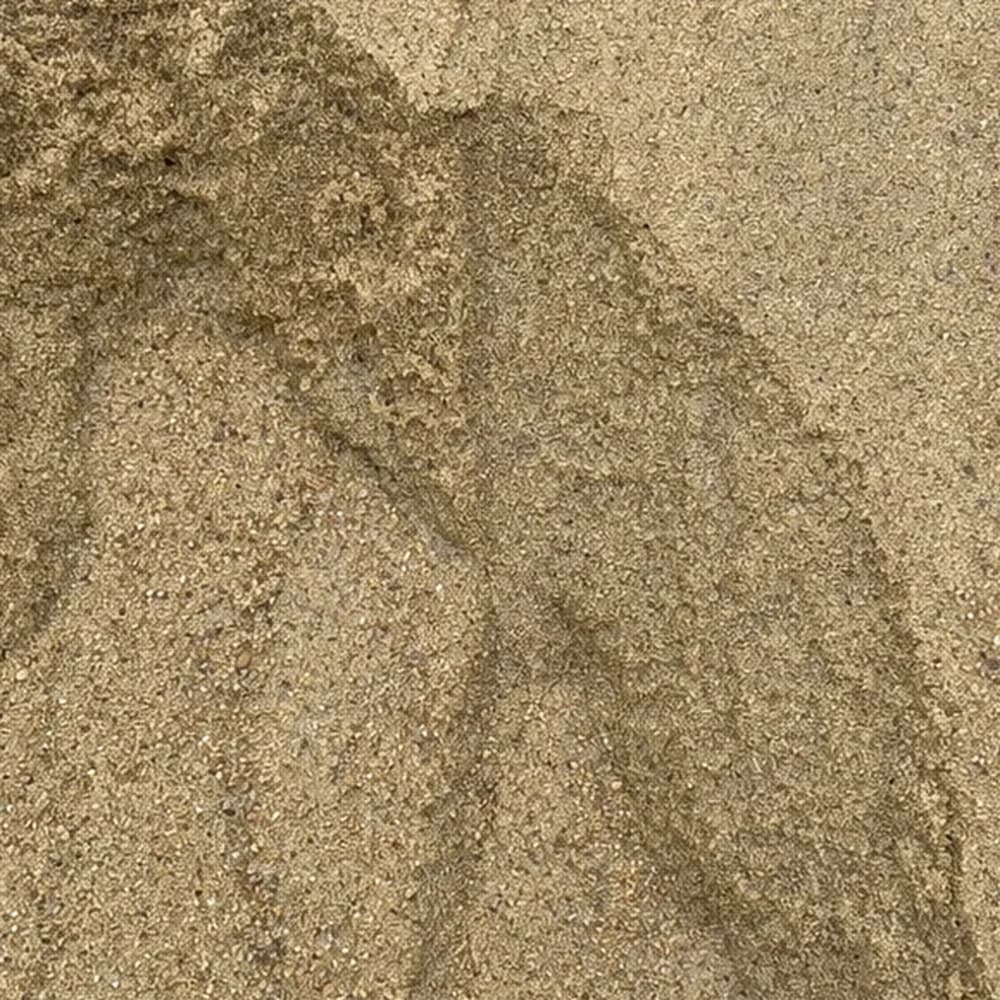
- Size: Ultra-fine, consistent grain size
- Grading: Washed to remove clay, silt and organic impurities
From $471 for 1 ton, delivery included (larger loads cost significantly less per ton)
Free delivery included
Free delivery anywhere in Michigan
Pick a delivery date
Weekday delivery, earliest Oct 30
“Grabbed mason sand from them and it showed up right when they said it would. They kept me updated the whole time, and I'm really happy with how easy it all was.”
Gina C. · Verified Buyer
Get a Free Quote
Fill out the form and our sales team will get back to you within the hour.
Size and Grading
- Size
- Ultra-fine, consistent grain size
- Grading
- Washed to remove clay, silt and organic impurities
The order this material most often gets bought to fix is the one it cannot fix. Somebody's paver patio has sunk at one corner after a winter, or a gravel drive has gone soft, and the instinct is to buy sand and level it out. Sand under load does not hold; it migrates, and the sunk corner comes back the following spring. Mason sand is a finish material, and knowing that before you order saves a season of disappointment.
The spec on the ticket: ultra-fine, washed, and not a base course
Two facts define it. The grain is ultra-fine and consistent in size, which is why it screeds to a smooth, even surface and sweeps cleanly into a narrow joint. And it has been washed to remove clay, silt and organic material, which is what keeps mortar bonding properly and keeps a play surface clean.
What it is not is structural. It has no stone in it, no angular faces to interlock and nothing to compact into a load-bearing layer. On a paver job the structure is a compacted base of 21AA limestone or 22A road gravel; the sand goes on top of that, thin, as the bed the pavers are set into and the filler swept into the joints.
Where it belongs on a cottage project, and where it does not
| The job | Mason sand? | What the job actually needs |
|---|---|---|
| Setting bed under pavers or flagstone | Yes, as a thin screeded layer | A compacted aggregate base beneath it first |
| Joints between pavers or flagstone | Yes, swept in dry | Nothing else, though edge restraint keeps it there |
| Mortar, grout and stucco mixes | Yes, this is the classic use | Mix design from whoever is doing the masonry |
| Sandbox, play area, volleyball court | Yes, washed and fine underfoot | Edging and a drainage layer beneath |
| Leveling a single-car gravel driveway | No | 21AA limestone or 22A road gravel, compacted |
| Filling raised vegetable beds | No | Garden soil, or screened top soil for lawn work |
| Backfilling a drain trench | No | An open washed stone such as #57 |
Two of those deserve expanding. A single-car gravel driveway, say ten feet by forty, fails because the base has broken down under freeze-thaw, not because the surface is uneven; sand poured over the top will rut within weeks. And a raised vegetable bed wants a growing medium with structure, which is garden soil or, for a lawn edge around it, screened topsoil, not a washed sand with nothing in it.
Fine sand, frost, and the flagstone walk that lifts every March
The Michigan complication is what happens under the bed rather than in it. Frost reaches 42 inches under the Michigan Residential Code, and a flagstone walk laid on sand over unprepared ground lifts and drops every spring as the frost goes in and comes out. The sand is not at fault; the missing compacted base and the water sitting under it are. On the flat clay of the southeast, around Saginaw Bay and across the Thumb, that water has nowhere to go, so drainage under the base matters more there than anywhere.
Sand also moves in weather. It washes in heavy rain before it is confined, and on a dune-sand lot near the Lake Michigan shore, a dry pile blows. Both are reasons to get it placed and confined rather than leaving it stood in the open.
Against the other sand in the catalogue: washed sand, which many here call concrete sand, is the coarser material used for leveling, bedding and base work under slabs. If you want a fine, smooth finish, mason sand. If you want something with more body under a slab, the coarser sand.
Booking a date and getting the drop spot ready
Bulk sand wants a plan before it arrives. Choose a firm, level tipping spot the truck can reach and back away from, close to the work but off the lawn if the ground is still soft from snowmelt. Delivery is arranged at checkout from your ZIP code and the driver needs a clear approach. If rain is forecast, have a tarp and something to weight it, because wet sand is heavy, slow to screed and will not sweep into a joint until it dries.
Sand for a 4 by 30 flagstone walk and a 10 by 12 play area
The walk first, four feet wide and thirty feet long, with a one inch screeded bed.
- 4 x 30 = 120 square feet
- 1 inch is 0.083 feet, so 120 x 0.083 = 10 cubic feet
- 10 / 27 = 0.4 cubic yards
Now a play area, ten by twelve, filled to eight inches.
- 10 x 12 = 120 square feet
- 8 inches is 0.667 feet, so 120 x 0.667 = 80 cubic feet
- 80 / 27 = 3.0 cubic yards
The same footprint tells you why sand makes a poor drive repair: a ten by forty drive at even two inches is 400 x 0.167 = 66.8 cubic feet, 2.5 cubic yards of material that will not hold a wheel. These are hypothetical layouts. This site publishes about 2,700 lb per cubic yard for mason and washed sand, or 1.35 tons per yard, so the screeded bed is approximately 0.4 x 1.35 = 0.5 tons and the play area 3.0 x 1.35 = 4.1 tons. The sand calculator runs the same conversion, along with circles, up to five areas at once, depth in inches and a five percent allowance for waste that is on by default. Then pick a date and a quantity on this page.
Quickly Calculate How Much You Need
Material: Mason Sand
How to Measure
Measure the length and width of your project area in feet
Decide on depth in inches (2" for landscaping, 4" for driveways)
Enter the values above and we'll calculate the tonnage you need
Need help figuring out the right amount? We can help!
Call or text us at (313) 930-8646 and we'll help you calculate the right quantity for your project.
Not sure how much you need? The Sand Calculator has depth guides, coverage charts and worked examples for this material.
Frequently Asked Questions About Mason Sand
Customer Reviews
Needed mason sand for a backyard project and these guys made it super easy. The mason sand was clean and consistent, and I'd definitely order from them again.
Debbie K. · Grand Rapids, MI · Verified Buyer
Got mason sand from the team, ordering was a breeze and I'm really happy with how it all went.
Dana D. · Ann Arbor, MI · Verified Buyer
Grabbed mason sand from the team and it was exactly what I needed. They delivered when they said they would, and I'd definitely order again.
Luis N. · Grand Rapids, MI · Verified Buyer
Grabbed mason sand from them and it showed up right when they said it would. They kept me updated the whole time, and I'm really happy with how easy it all was.
Gina C. · Lansing, MI · Verified Buyer
Grabbed mason sand from them and everything showed up right when I needed it. The driver was friendly and careful about where he placed it, which made the whole thing super easy.
Frank D. · Detroit, MI · Verified Buyer
Mason Sand has 5 verified customer reviews with an average rating of 5 out of 5.
Mason Sand delivery across Michigan
- Detroit
- Grand Rapids
- Warren
- Sterling Heights
- Ann Arbor
- Lansing
- Dearborn
- Clinton Township
- Canton
- Macomb
- Livonia
- Troy