Screened Top Soil for Michigan Lawns, Beds and Regrades
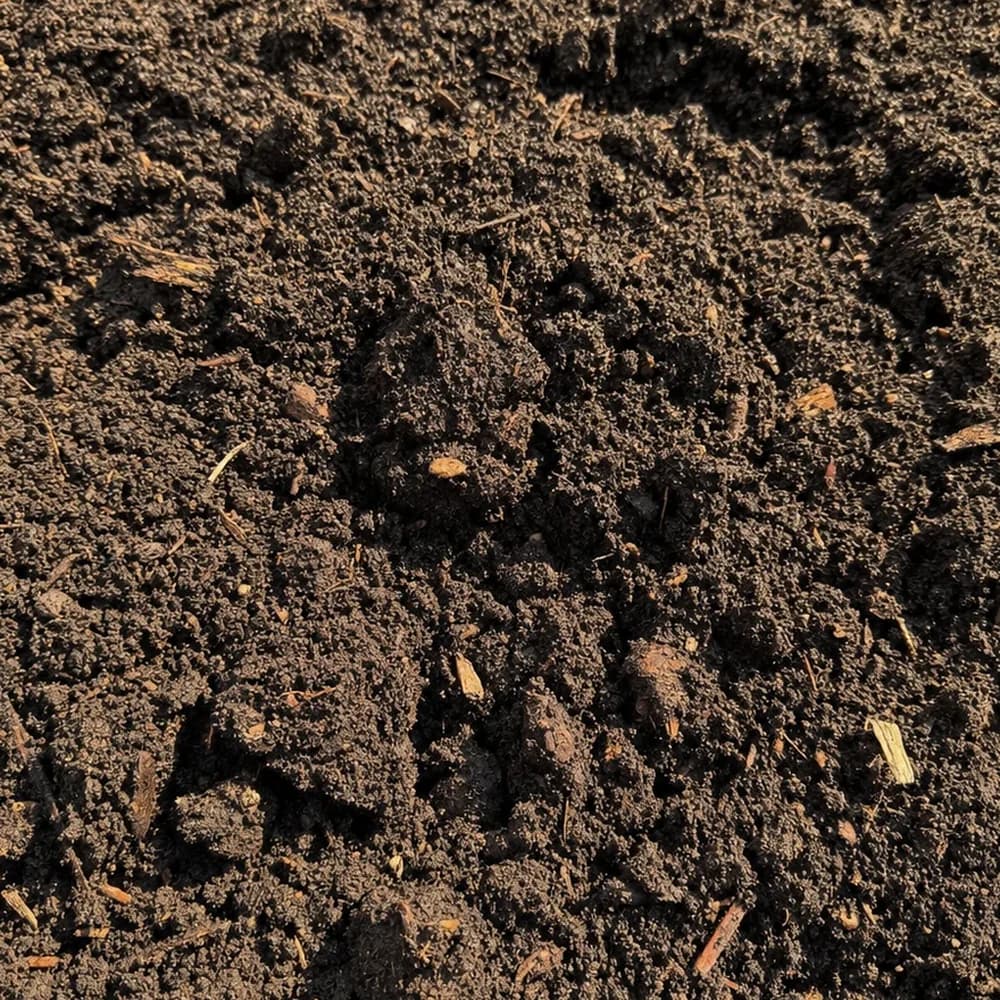
For a new Michigan lawn or garden after winter, Top Soil provides a smooth planting surface that can be spread, graded, and planted.
- Size: Screened; free of rocks, debris and large clumps
- Grading: Balanced sand, silt and clay
From $383 for 1 ton, delivery included (larger loads cost significantly less per ton)
Free delivery included
Free delivery anywhere in Michigan
Pick a delivery date
Weekday delivery, earliest Oct 30
“Got top soil from them and ordering was painless. Delivery showed up as planned, and the pile looked great. Really happy with how easy the whole thing was.”
Kim K. · Verified Buyer
Get a Free Quote
Fill out the form and our sales team will get back to you within the hour.
Size and Grading
- Size
- Screened; free of rocks, debris and large clumps
- Grading
- Balanced sand, silt and clay
Three bulk soils get ordered from the same catalogue every spring and they are not interchangeable, which is where most of the trouble starts. Top soil is screened, meaning the rocks, roots and big clumps have been taken out of it, and it is graded as a balanced sand, silt and clay mix. That balance is what makes it a growing layer: fine enough to rake level and seed into, open enough that roots are not sitting in water after a May storm on southeastern clay.
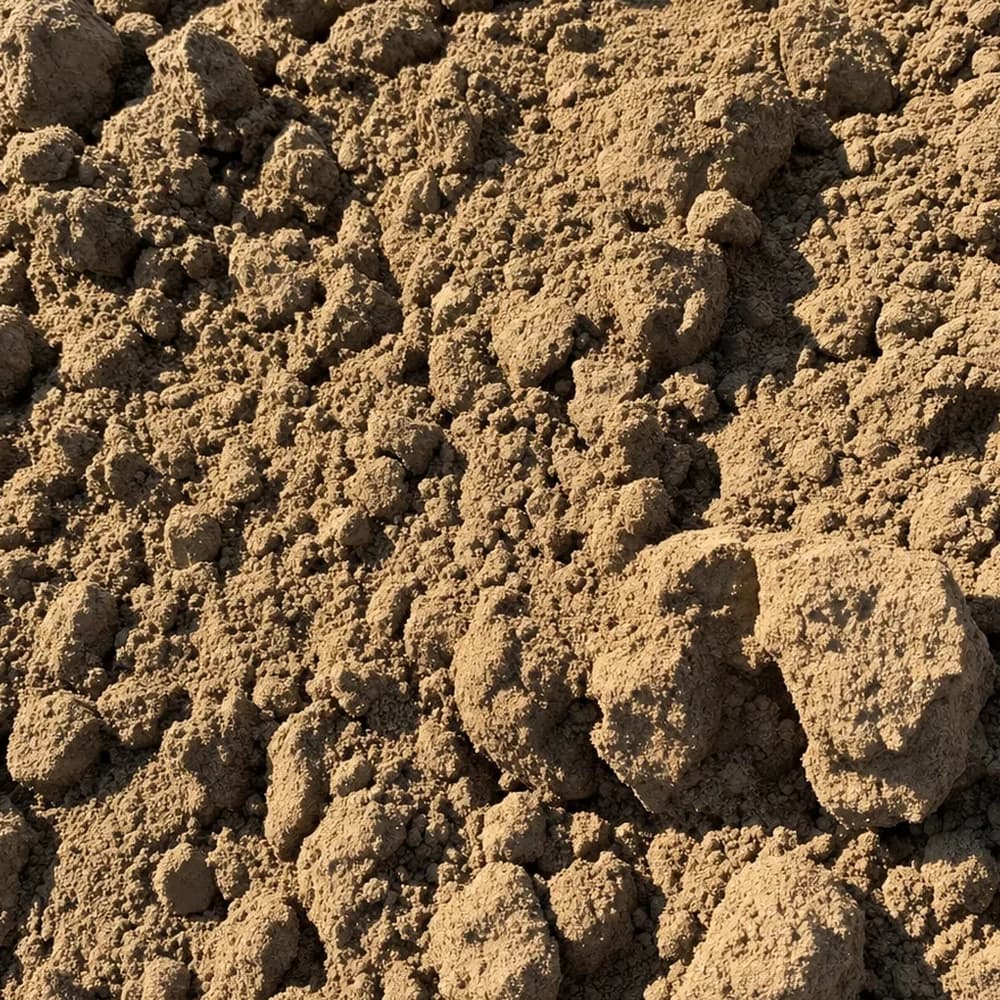
Garden soil is the richer mix meant for filling raised beds and planting holes. Fill dirt is the opposite end: bulk material for raising low ground and building up a grade, not for growing anything. Order fill dirt for a lawn and you get a hard, patchy result; order top soil to raise a corner of the yard by a foot and you are paying growing-layer money for a job that does not need it.
The yard top soil actually rescues
The common case is a site that has been scraped. A new build, an addition, a septic repair or a stump grind leaves compacted subsoil, gravel scraps and holes where something used to be. Nothing will germinate reliably in that. A layer of screened soil, raked out and graded, gives seed or sod a medium with a consistent texture instead of a patchwork of whatever the machinery left behind.
The second case is repair rather than rescue: a lawn that has gone lumpy over the years, dips that hold meltwater until May, thin turf over a compacted path where everyone cuts the corner. A thin skim of soil followed by overseeding fixes more of that than people expect.
Two opposite problems: southeastern lake plain clay and Lake Michigan dune sand
The ground underneath decides what the layer does next, and Michigan gives you two opposite problems within a few hours' drive.
On the flat clay and silty clay loam of the southeast, around Saginaw Bay and across the Thumb, water does not go down. A layer of good soil dropped straight onto smooth, compacted clay creates an interface that behaves like a bathtub, holding water at the boundary and drowning roots. Break the clay surface with a rake, a tiller or a rip pass first so the two layers knit together, and shape the finished grade so surface water has somewhere to leave.
On the sandy outwash and dune sand of the west and north, the opposite: the subsoil drains so fast that the growing layer dries out first in a July dry spell. There the argument is for a slightly deeper layer and for a mulch or a dense stand of grass to slow evaporation.
Spreading after the thaw and before the summer dry spell
The working season runs from the spring thaw into late fall, and it is shorter in the Upper Peninsula and the northern Lower Peninsula than in the southern counties. Working wet clay is the classic Michigan mistake: drive a wheelbarrow across saturated southeastern ground in early April and you will compact it into ruts that no amount of soil on top will fix. Wait until a handful crumbles rather than smears.
The order of operations is simple and worth keeping to. Finish the rough grading first, then spread the soil, then rake it to the finished level, then seed or plant. Doing site work afterwards churns the layer you just paid for. If the truck cannot reach the area, plan the drop for the drive rather than sending it across soft ground, and be ready to wheelbarrow.
The settling you will see by the second Michigan winter
Fresh soil is loose. It drops as rain, irrigation and its first freeze and thaw pack it down, and the drop is not even: it shows up most where the layer was deepest or where it covered something soft. Expect to walk the lawn in the second spring, fill the hollows that appeared, and overseed them.
Two sensible habits follow from that. Spread a little deeper than the finished level you want in the deep spots, and hold back a small reserve of soil rather than raking every last wheelbarrow-load out, so the spring touch-up does not need a second delivery.
Counting yards for a scraped side yard and a 4 by 12 raised bed
The lawn patch first, at three inches of soil over prepared ground.
- 1,200 square feet at 3 inches, which is 0.25 feet
- 1,200 x 0.25 = 300 cubic feet
- 300 / 27 = 11.1 cubic yards
Now the raised bed, four feet by twelve, filled to twelve inches.
- 4 x 12 = 48 square feet
- 12 inches is 1 foot, so 48 x 1 = 48 cubic feet
- 48 / 27 = 1.8 cubic yards
And a narrow strip, say two feet wide and thirty feet long, skimmed at two inches: 2 x 30 = 60 square feet, 60 x 0.167 = 10 cubic feet, 10 / 27 = 0.4 cubic yards. All three are worked examples rather than real orders. This site publishes about 2,200 lb per cubic yard for screened top soil, or 1.10 tons per yard, so on that approximate figure the lawn patch is 11.1 x 1.10 = 12.2 tons, the raised bed 1.8 x 1.10 = 2.0 tons and the strip 0.4 x 1.10 = 0.4 tons. The topsoil calculator runs the same step, takes rectangles or circles, handles up to five separate areas, accepts depth in inches and can add five percent to cover settlement.
Once the number looks right, set a delivery date and a quantity here. Delivery is arranged at checkout from your ZIP code, and the driver needs a clear run to a spot where the load can be tipped without crossing soft lawn.
Quickly Calculate How Much You Need
Material: Top Soil
How to Measure
Measure the length and width of your project area in feet
Decide on depth in inches (2" for landscaping, 4" for driveways)
Enter the values above and we'll calculate the tonnage you need
Need help figuring out the right amount? We can help!
Call or text us at (313) 930-8646 and we'll help you calculate the right quantity for your project.
Not sure how much you need? The Topsoil Calculator has depth guides, coverage charts and worked examples for this material.
Frequently Asked Questions About Top Soil
Customer Reviews
Needed top soil delivered and these guys made it easy, kept me updated the whole time, and the delivery showed up right when they said it would.
Jeff F. · Ann Arbor, MI · Verified Buyer
Got top soil from them and ordering was painless. Delivery showed up as planned, and the pile looked great. Really happy with how easy the whole thing was.
Kim K. · Warren, MI · Verified Buyer
Had top soil delivered by Michigan Rock Supply and everything went great. They kept me updated the whole time, and I'm really happy with how it all turned out.
Debbie B. · Ann Arbor, MI · Verified Buyer
Decided on this company for top soil, and I'm really happy I did. The top soil was great quality and the whole delivery was easy.
Heather S. · Grand Rapids, MI · Verified Buyer
Top Soil has 4 verified customer reviews with an average rating of 5 out of 5.