#67 Stone in Michigan: 1/4 to 3/4 Inch Angular Stone for Drains and Bedding
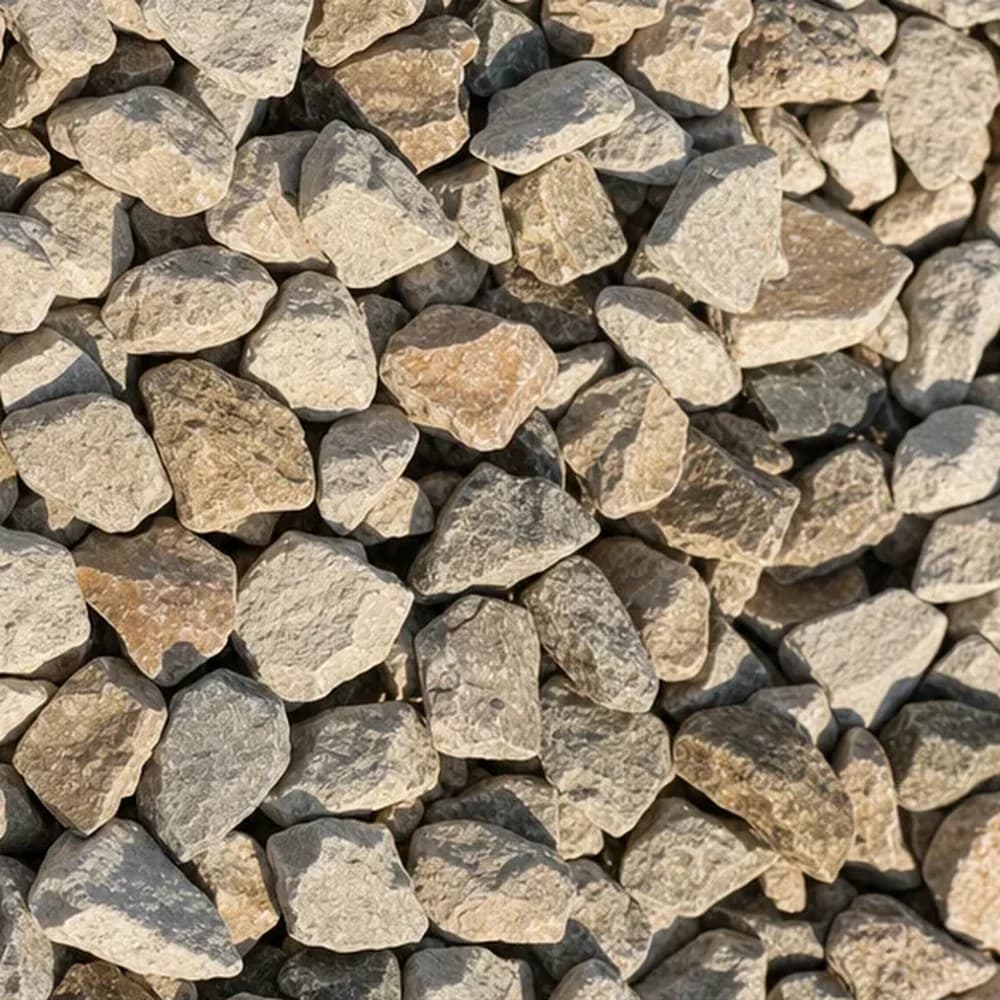
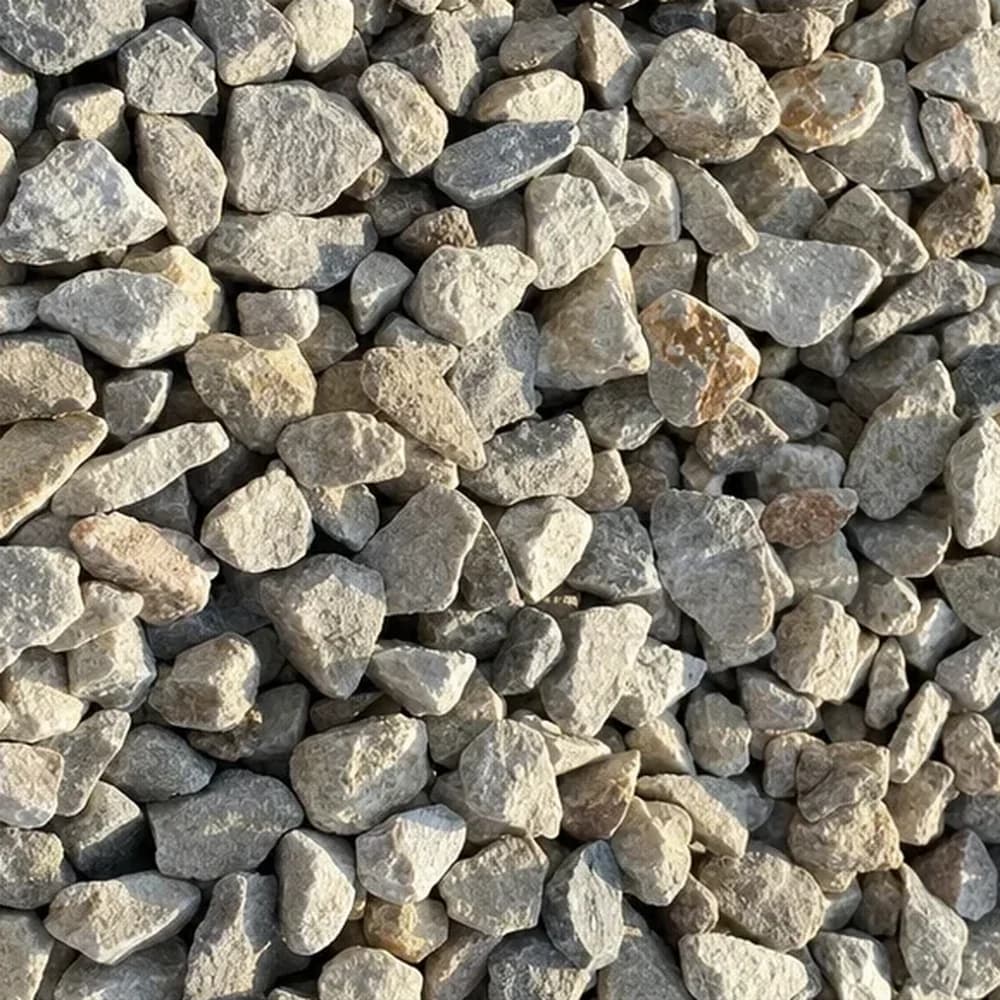
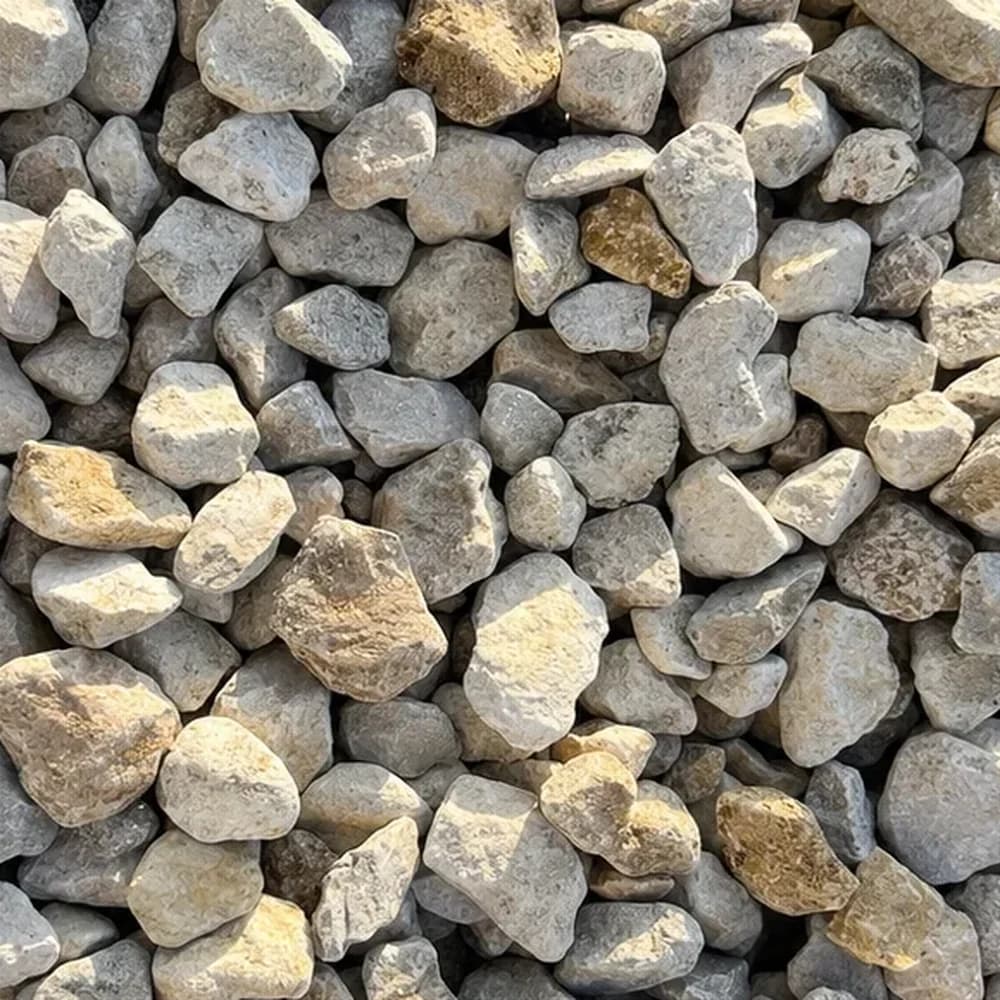
After #67 Stone is placed, its angular crushed texture gives Michigan drainage work and landscape areas a uniform, orderly look.
- Size: 1/4 inch to 3/4 inch
- Grading: #67
- Type: Angular crushed stone
From $454 for 1 ton, delivery included (larger loads cost significantly less per ton)
Free delivery included
Free delivery anywhere in Michigan
Pick a delivery date
Weekday delivery, earliest Oct 30
“Needed stone delivered and Michigan Rock Supply made it really easy. Pricing felt fair for what I got, and they kept me updated the whole time. I'd definitely order from them again.”
Eric G. · Verified Buyer
Get a Free Quote
Fill out the form and our sales team will get back to you within the hour.
Size and Grading
- Size
- 1/4 inch to 3/4 inch
- Grading
- #67
- Type
- Angular crushed stone
Walk the north side of almost any house on the southeastern lake plain in April and you will find the same strip of ground: a foot or two out from the wall, below the downspout elbows, soft and gray and holding water long after the rest of the yard has firmed up. That strip is what #67 stone gets ordered for here more than anything else. It is a washed angular crushed stone graded between a quarter inch and three quarters, small enough to work in a narrow cut and open enough to give water somewhere faster to be than the clay around it.
Why #67 stone gets picked over the grading above and below it
Grading is the whole conversation on a page like this, so here is where this one sits.
#57 Stone is the next step up, 3/16 inch to 1 inch, with bigger voids and more open flow. It is the size most published drainage details are drawn around, and it is the better pick in a wide trench or under a slab.
#8 Crushed Stone goes the other way, smaller again, useful where a joint or a tight bedding needs filling without the coarseness.
Drain Rock covers the same drainage jobs but is sold on what it does rather than a numbered grading, and it is the obvious alternative when a trench is generous and you are not matching a spec.
#67 sits in the middle of those, and the middle is exactly why people buy it. It beds close around a four inch line without bridging awkwardly over the pipe, it shovels easily, and its even grading is what lets it double as a concrete coarse aggregate where a finer surface finish is wanted. The same evenness reads as a tidy, deliberate surface when it is used as visible cover in a bed or a border.
Foundation runs, downspout outfalls and the pipe in the trench
The foundation drain is the headline job. Cut a trench along the wet side of the house, lay a wrapped line in a bed of stone, cover it with more stone and carry the water to daylight or a drywell, and the wet strip stops being wet. The clean grading is doing two things at once there: holding voids so water moves, and staying free enough of fine sediment that the voids do not silt closed in the first two seasons.
Pipe and utility bedding is the same property put to a different use. Water, sewer and conduit runs get bedded in stone like this because it beds evenly around the pipe rather than loading it in one spot, while still leaving a drainage path alongside.
Then there are the quieter uses. A strip of it under the downspout outfalls, where the splash block throws water onto grass that has given up. A band along a border or around the base of a tree, where its even angular look sits flat and stays put. And the concrete work: ornamental pours, countertops and architectural details where the finer coarse aggregate leaves a smoother face than a larger stone would.
A dog run and a parking pad: two jobs where this is a judgment call
Both come up, and neither is a straight yes.
A side-yard dog run built on #67 drains beautifully and never turns to mud. It is also angular, which is harder on paws than rounded stone and more likely to be carried indoors on wet feet. Pea Stone is the kinder surface if the dog is out on it daily; the washed angular stone is the better call if the run sits on ground that stands wet.
A parking pad is the reverse. #67 will carry a car, and on soft ground it makes a genuinely good lower layer because it keeps water moving beneath the pad through the thaw. What it will not do is pack into a firm driving surface, because there are no fines in it to lock the pieces together. The pad you actually park on wants 21AA limestone compacted on top of it, with the washed stone underneath doing the drainage work.
Bed depth around a four inch line before the ground closes for winter
Three measurements decide a trench: how wide the cut is, how much stone sits under the pipe and over it, and whether the run has consistent fall from one end to the other. Get the fall wrong and no amount of stone helps.
Timing matters as much here as depth. Frozen ground stops trench work outright, so drainage jobs run from the spring thaw into late fall, and that window is shorter in the Upper Peninsula and the northern Lower Peninsula. Frost reaches 42 inches under the Michigan Residential Code, and in colder parts of the state the local building official can require deeper footings, so anything structural belongs with a builder rather than with a product page.
Tons for a 34 foot foundation drain and a 20 by 22 pad layer
Hypothetical layouts, both of them. First the drain along the wet side of a house: thirty-four feet long, an eighteen inch wide cut, with twelve inches of stone in it around the line.
- 34 x 1.5 = 51 square feet
- 12 inches is 1.0 feet, so 51 x 1.0 = 51 cubic feet
- 51 / 27 = 1.9 cubic yards
This site publishes about 2,800 lb per cubic yard for #57, #67 and 3/4 inch crushed stone, which is 1.40 tons per yard. So 1.9 x 1.40 = 2.7 tons.
Now the drainage layer under a parking pad, twenty by twenty-two feet at four inches.
- 20 x 22 = 440 square feet
- 4 inches is 0.333 feet, so 440 x 0.333 = 146.5 cubic feet
- 146.5 / 27 = 5.4 cubic yards, and 5.4 x 1.40 = 7.6 tons
Add a little to the trench figure rather than the pad figure. Stone always disappears into the sides of a cut through soft ground, whereas a flat layer measures more or less true. The stone calculator handles circles, takes up to five areas at once, works in depths from a quarter inch to twenty-four, and carries a five percent addition for exactly that loss.
If you would rather compare the gradings side by side before deciding, the full product list has them in one view; the quantity and date boxes on this page take the final figure once it holds up.
Quickly Calculate How Much You Need
Material: #67 Stone
How to Measure
Measure the length and width of your project area in feet
Decide on depth in inches (2" for landscaping, 4" for driveways)
Enter the values above and we'll calculate the tonnage you need
Need help figuring out the right amount? We can help!
Call or text us at (313) 930-8646 and we'll help you calculate the right quantity for your project.
Not sure how much you need? The Stone Calculator has depth guides, coverage charts and worked examples for this material.
Frequently Asked Questions About #67 Stone
Customer Reviews
Grabbed stone from these guys and it was exactly what I needed. Free delivery was a nice bonus, and they showed up when they said they would. Super happy with it, 5 out of 5.
Kim L. · Sterling Heights, MI · Verified Buyer
Needed stone delivered and Michigan Rock Supply made it really easy. Pricing felt fair for what I got, and they kept me updated the whole time. I'd definitely order from them again.
Eric G. · Detroit, MI · Verified Buyer
Decided on stone from this company, ordering was a breeze and I'd definitely order again and recommend them.
Dana D. · Lansing, MI · Verified Buyer
Went with them for stone and the whole thing was super easy. Pricing was fair, and I'm really happy with what I got.
Maria V. · Warren, MI · Verified Buyer
#67 Stone has 4 verified customer reviews with an average rating of 5 out of 5.